
-

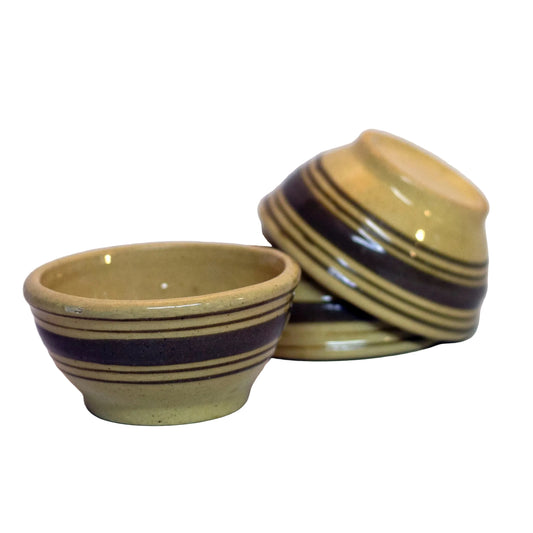
Antique American Yellowware Bowls Set of 3 – Small Size with Brown Bands, Late 19th Century
Vendor:Vintage & Antique KitchenRegular price $135.00 USDRegular price -
Antique Belgian Nimy Bowl Hand Painted Gaudy Welsh Style Impériale Royale 10 ¾″ Charger c.1890–1910
Vendor:Impériale et RoyaleRegular price $85.00 USDRegular price -
Antique French Faïence Cherry Plate by K & G Lunéville, Signed Obert, c. 1900 (8½″)
Vendor:Keller & Guérin (K & G Lunéville)Regular price $60.00 USDRegular price -
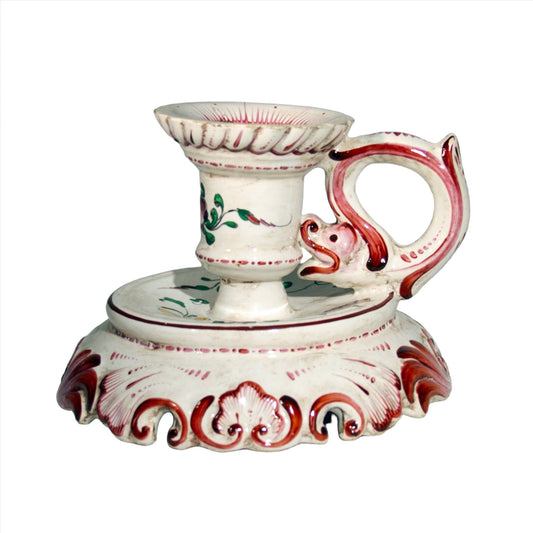
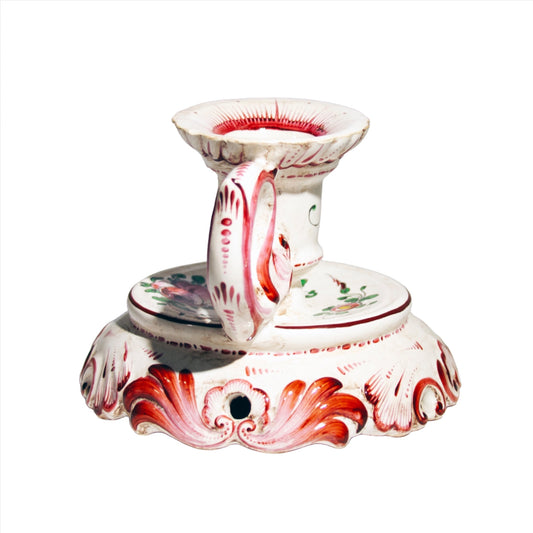
Antique Henri Chaumeil Strasbourg Faience Chamberstick Candlestick – "Fait Main" (Circa 1900 - 1925)
Vendor:Décor Strasbourg Fait MainRegular price $245.00 USDRegular price$0.00 USDSale price $245.00 USD -
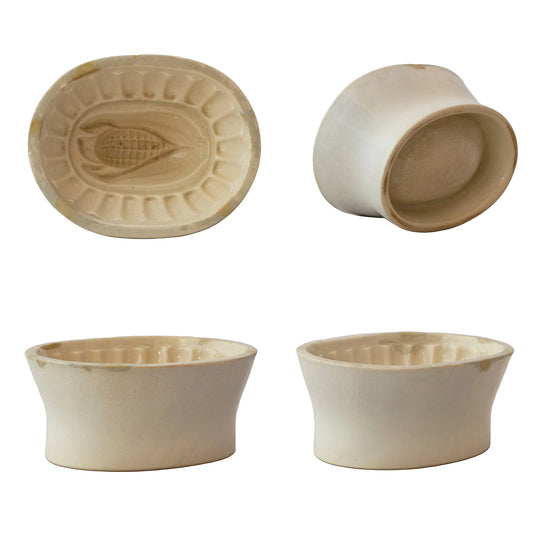
Antique Ironstone Food Molds – Gothic, Corn & Grape Designs | 19th Century Jelly Moulds (Choice)
Vendor:Antique IronstoneRegular price From $80.00 USDRegular price -
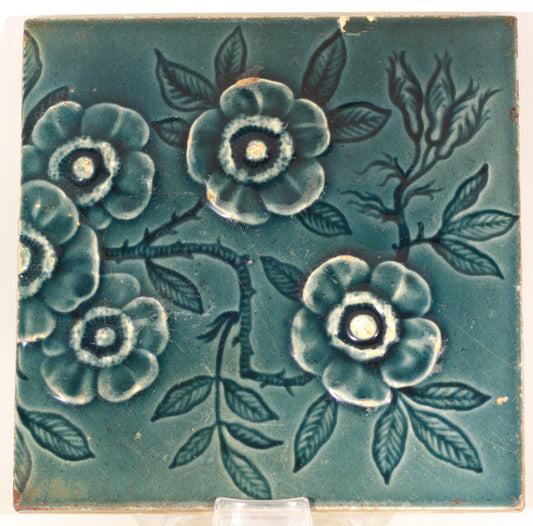
Antique Maw & Co Broseley Raised Relief Majolica Tile – Floral Design, England c. 1860
Vendor:Maw & CompanyRegular price $70.00 USDRegular price -
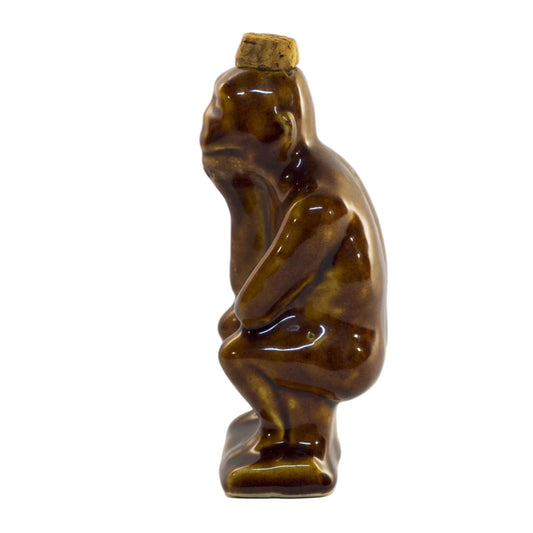
Antique Rockingham Glaze Figural Monkey Art Pottery Bottle – Early 1900s
Vendor:Antique Art PotteryRegular price $135.00 USDRegular price -
Antique Rockingham Pottery Pitcher – Ribbed Form with Tortoiseshell Glaze, 19th Century
Vendor:American PotteryRegular price $95.00 USDRegular price -
Antique Victorian Stoneware Carpet Ball – Black Stick-Spatter Star, 3 ½" c. 1860–1890
Vendor:Antique & Vintage ToysRegular price $145.00 USDRegular price -
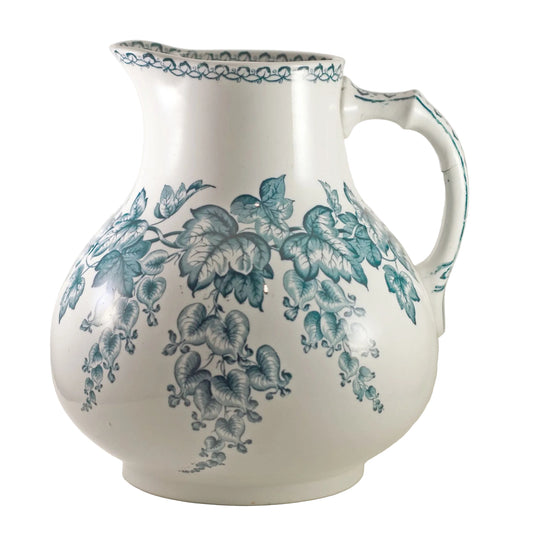
Doulton Burslem Transferware Pitcher Spect’is Vine Pattern Green Jug c.1882
Vendor:Royal DoultonRegular price $95.00 USDRegular price -
Earthen Vessel Redware Christmas Goose Dish | Signed K. von Hedemann | Cincinnati 1986 Folk Pottery
Vendor:Earthen Vessel PottersRegular price $55.00 USDRegular price -
Hull Pottery House ’n Garden Chicken Covered Servers | Hen on Nest Casserole & Large Chicken Platter | Mirror Brown Drip Glaze
Vendor:Hull Pottery CompanyRegular price From $65.00 USDRegular price -
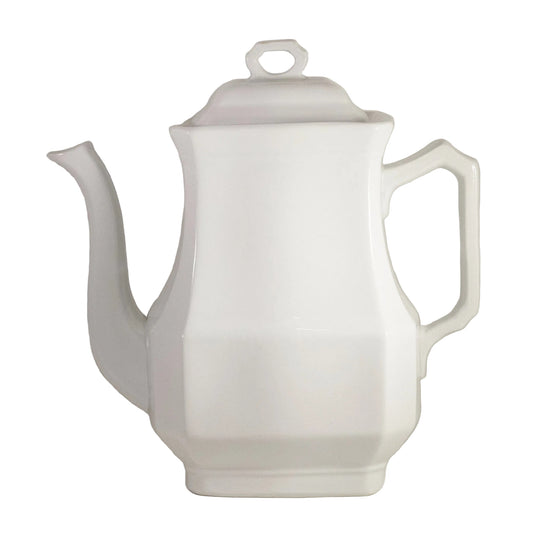
J & G Meakin Classic Block Optic Ironstone Teapot – Antique English White Ironstone c. 1890
Vendor:J & G MeakinRegular price $165.00 USDRegular price -
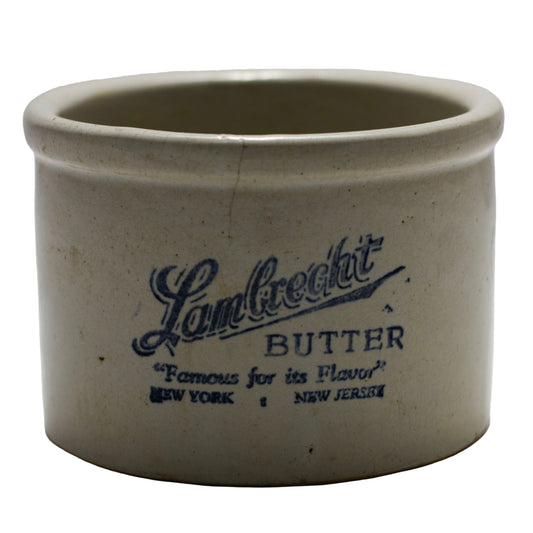
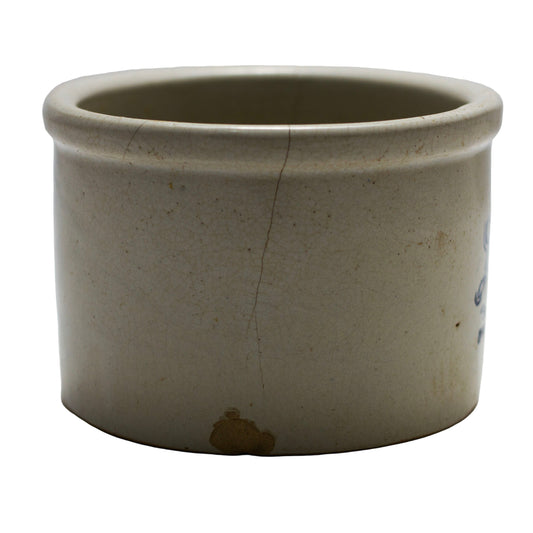
Lambrecht Butter Stoneware Crock – New York & New Jersey (c. 1920)
Vendor:Lambrecht DairyRegular price $32.00 USDRegular price -
OHIO REPUBLICAN PARTY Commemorative RAY C. BLISS Stoneware Ashtray Mustard Yellow Circa 1965
Vendor:Vintage PotteryRegular price $24.00 USDRegular price -
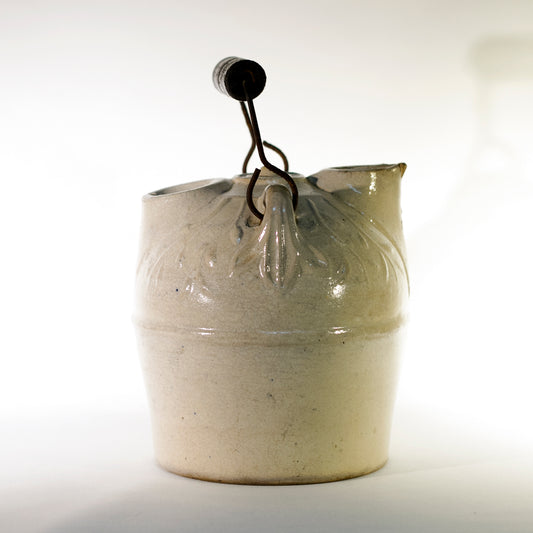
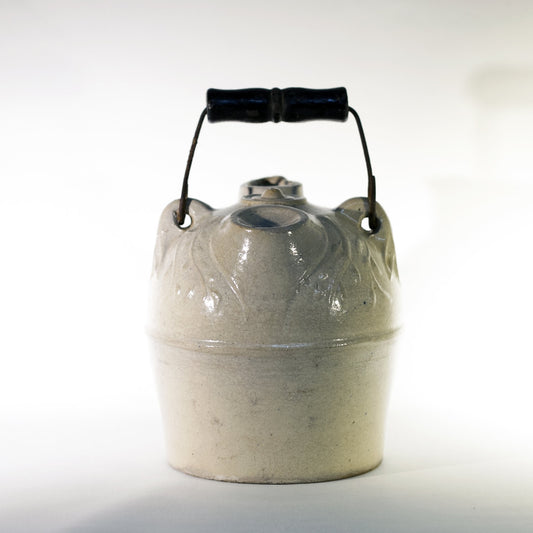
Rare F. H. WEEKS STONEWARE HARVEST, SYRUP or MOONSHINE JUG Marked XXX Circa 1891-1910
Vendor:F.H. Weeks CompanyRegular price $250.00 USDRegular price -
Rare Sunderland Lustreware Wellington Commemorative Pitcher Marquis of Wellington c.1820s Transferware Jug
Vendor:Sunderland Commemorative PitcherRegular price $725.00 USDRegular price -
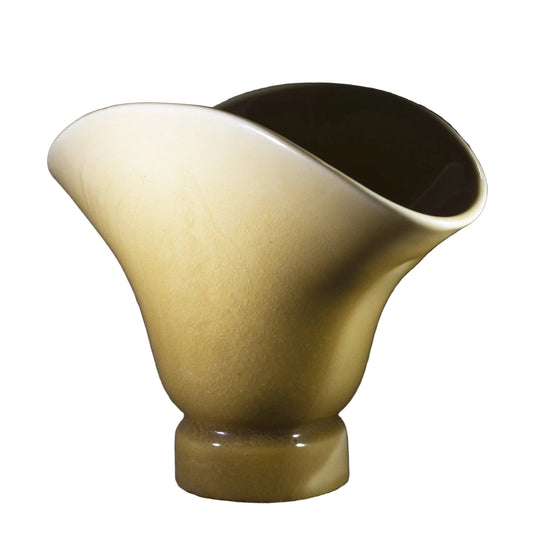
Rookwood Pottery Fan Vase #6839 – Incised Girl Portrait, Butterscotch Crackle Glaze, Cincinnati, 1944
Vendor:Rookwood PotteryRegular price $345.00 USDRegular price -
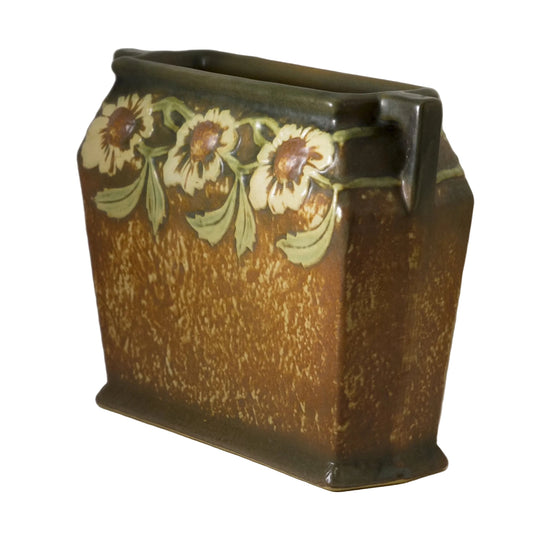
Roseville Pottery Dahlrose Pillow Vase with Handles | Circa 1924–1928
Vendor:Roseville Pottery CompanyRegular price $245.00 USDRegular price -
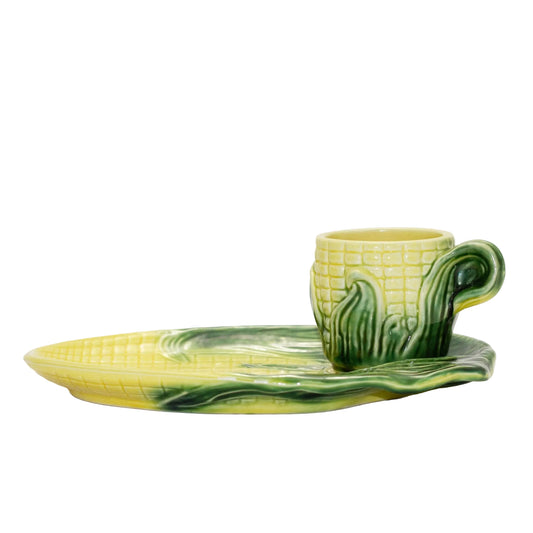
STANFORD POTTERY CORN Snack Plate & Cup Set Circa 1940s
Vendor:Stanford PotteryRegular price $32.00 USDRegular price -
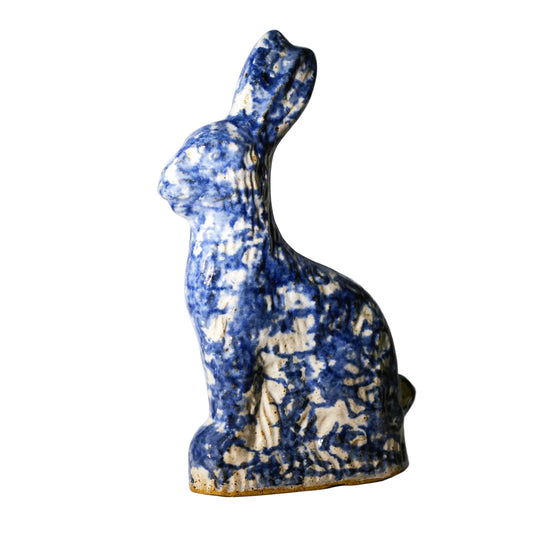
Strawtown Pottery Blue Spongeware Sitting Rabbit | Hand-Painted Stoneware Bunny | Indiana Studio Pottery
Vendor:Strawtown PotteryRegular price $45.00 USDRegular price -
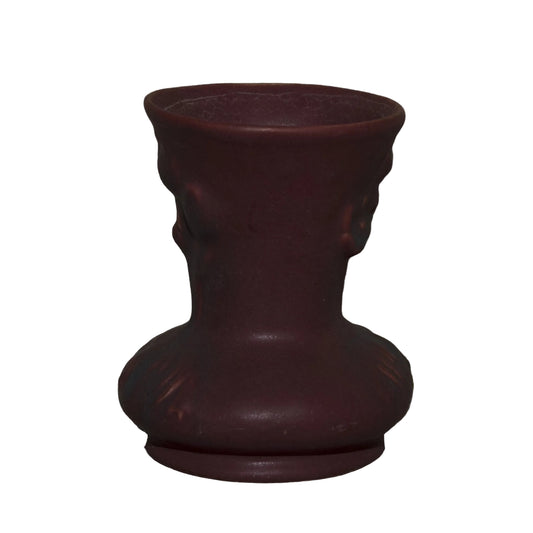
Van Briggle Mulberry & Blue Matte Art Pottery Vase – Raised Poppy, Colorado Springs, c. 1910–1945
Vendor:Van Briggle PotteryRegular price $140.00 USDRegular price -
West Germany Hand-Painted Relief Wall Plate | Snowy Farm & Oxen Winter Scene | 13" Ceramic Chalet Décor c. 1950s
Vendor:West GermanyRegular price $55.00 USDRegular price


















A Guide to Pottery Clays and Glazes
Pottery spans a wide range of clay bodies and firing traditions, each producing distinct textures, colors, and levels of durability. Low‑fired earthenwares—such as redware and yellowware—remain porous and softer, shaped from regional clays that naturally fire to warm tones. Stoneware, including crocks and utilitarian kitchen vessels, is fired at higher temperatures, creating a dense, non‑porous body suited for storage and daily use. Ironstone sits at the refined end of the spectrum: a high‑fired, durable stoneware developed in the 19th century to imitate porcelain.
Glaze traditions further define these categories. Salt‑glazed stoneware forms its signature orange‑peel texture when salt is introduced into the kiln at high heat, often accented with cobalt decoration. Earthenwares rely on slip, lead, or alkaline glazes to seal their porous bodies, producing everything from the glossy browns to the banded patterns. Ironstone, by contrast, is often decorated with transfer patterns on its smooth white surface. Together, these variations in clay, firing, and glaze explain why each pottery type looks, feels, and functions differently across regions and eras.