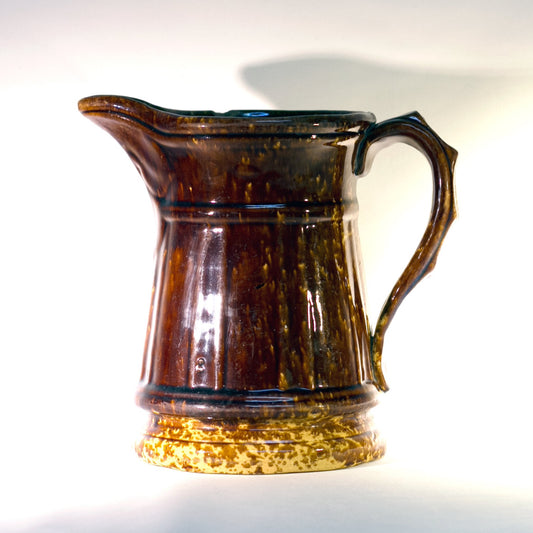
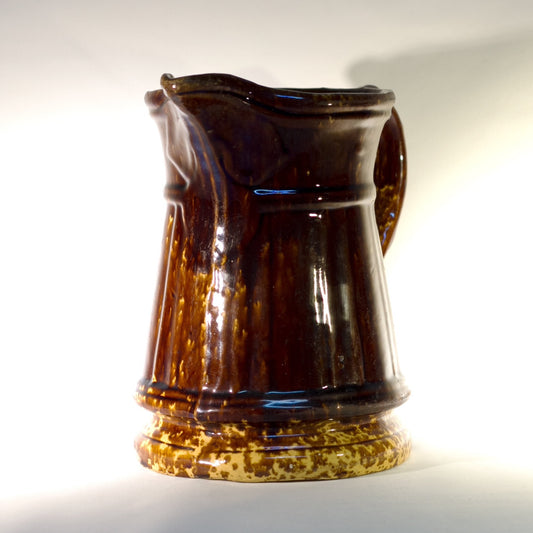
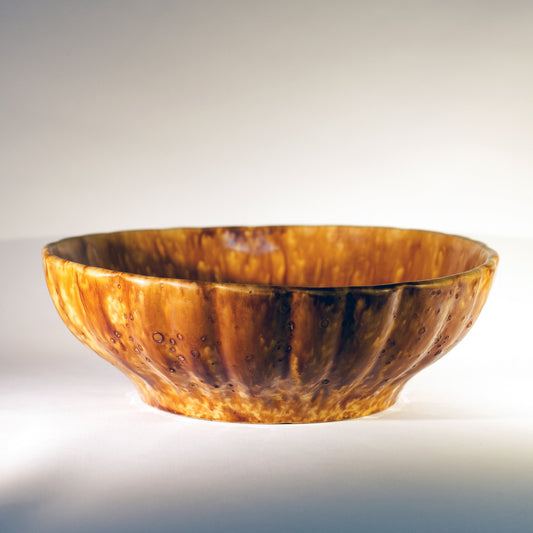
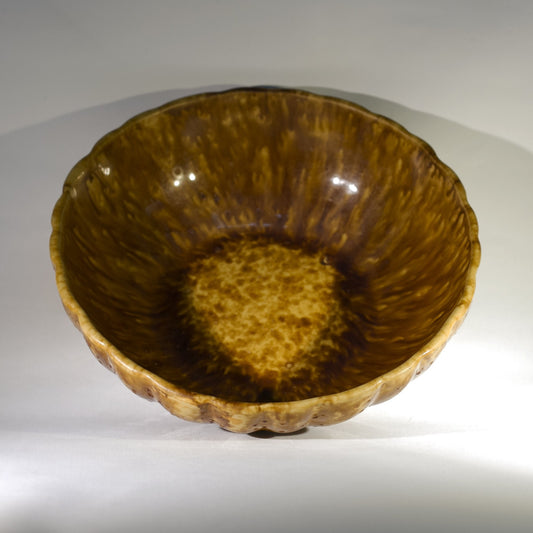
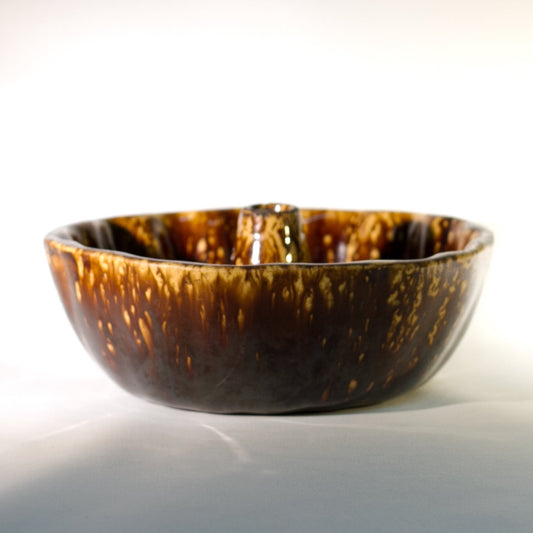
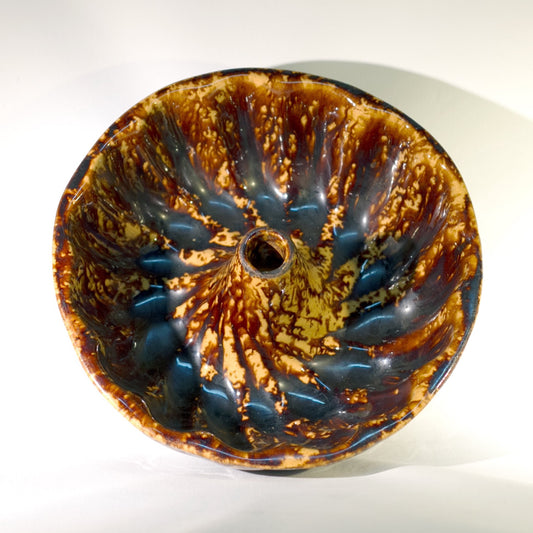
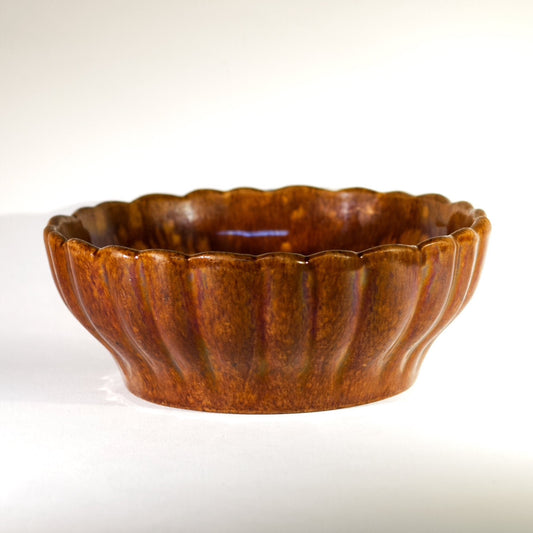
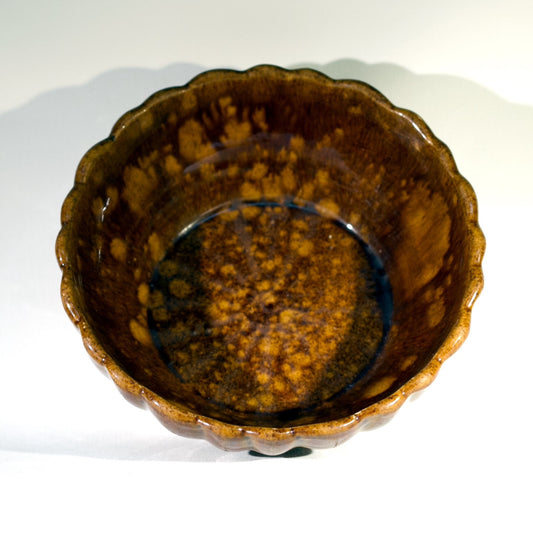
Collection: Rockingham Brown Glaze | Antique American Pottery
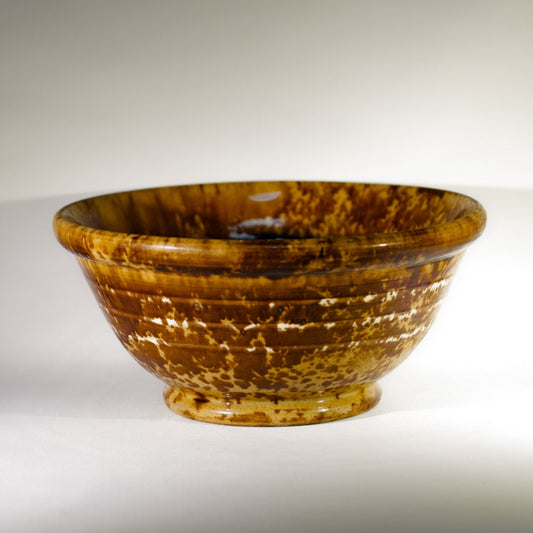
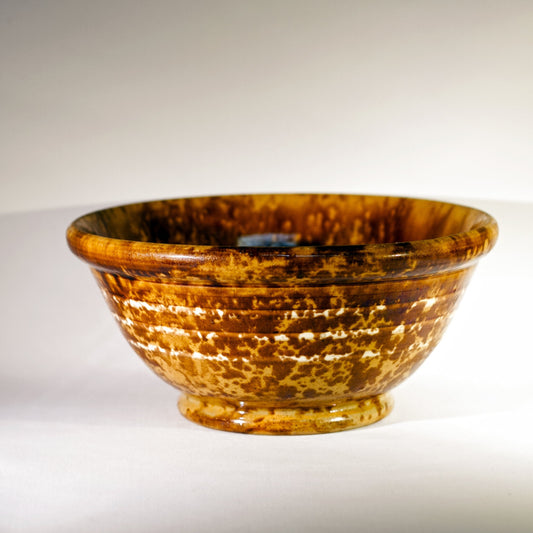
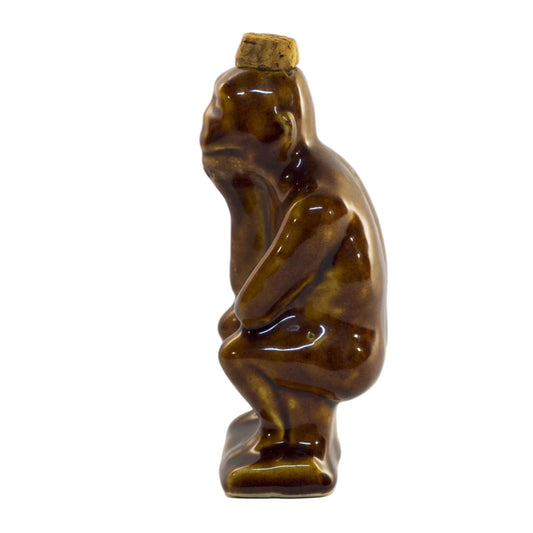
Rockingham refers to a rich brown glaze originally developed in England and later widely adopted by American potteries during the 19th century. The glaze, prized for its deep color and flowing, mottled surface, was applied to both decorative and utilitarian earthenware, often on substantial forms such as pitchers, teapots, and serving vessels.
In the United States, the Rockingham glaze became especially associated with pottery produced in Bennington, where local manufacturers applied similar brown glazes to molded wares. Because of this association, the term “Bennington” is sometimes used broadly—and incorrectly—to describe brown-glazed pottery. True Bennington wares are typically more finely molded and command higher prices, but many brown-glazed pieces lack clear attribution.
Without firm maker provenance, it is safest and most accurate to describe these wares as Rockingham brown glaze, a term commonly used in the United States to encompass the broader category of substantial, brown-glazed earthenware produced by multiple potteries. This approach reflects responsible attribution while acknowledging the historical spread and popularity of the glaze itself.