
-
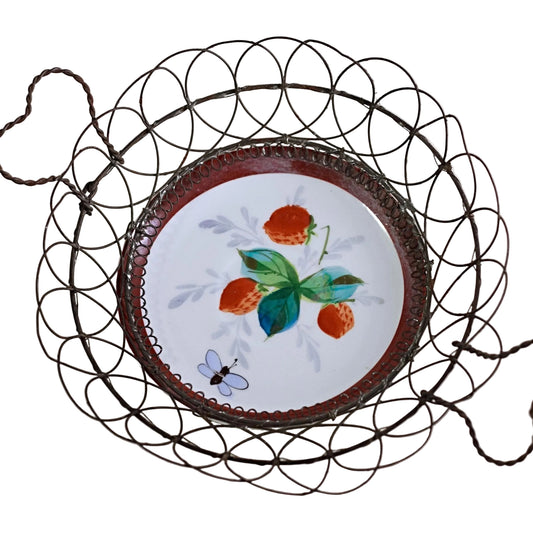
Antique Wire Bun Basket with Porcelain Strawberry Plate & Heart Handles c.1900
Vendor:Vintage & Antique KitchenRegular price $75.00 USDRegular price -
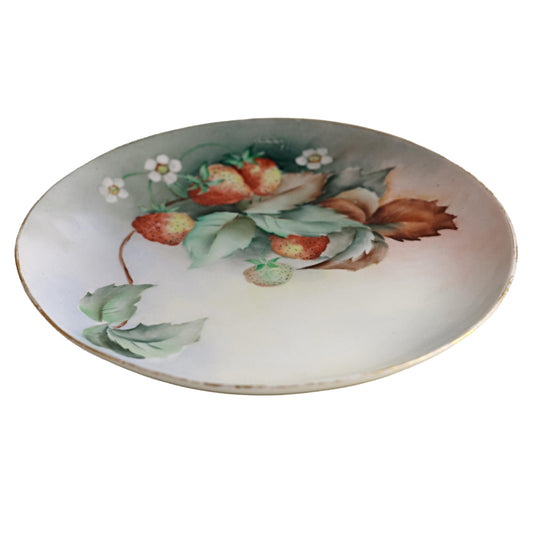
Mavaleix Mandavy & Balleroy Limoges Hand-Painted Strawberry Dessert Plate | Signed Commoys | France c. 1908–1914
Vendor:B. MoeM LimogesRegular price $62.00 USDRegular price -
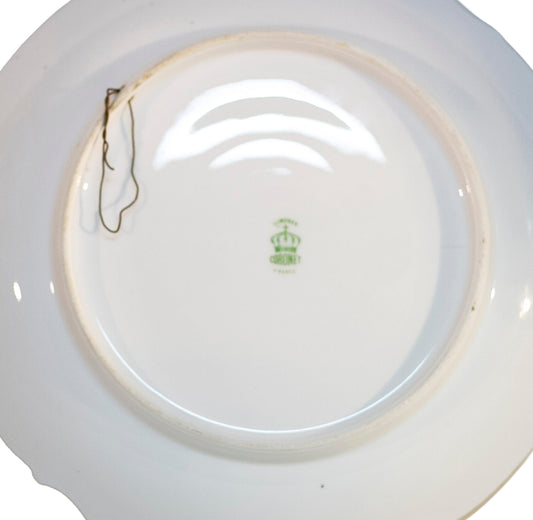
Limoges Hand-Painted Game Bird Plate Signed L. Coudert Coronet Borgfeldt Pheasant Charger c.1900–1920
Vendor:George Borgfeldt Coronet LimogesRegular price $140.00 USDRegular price -
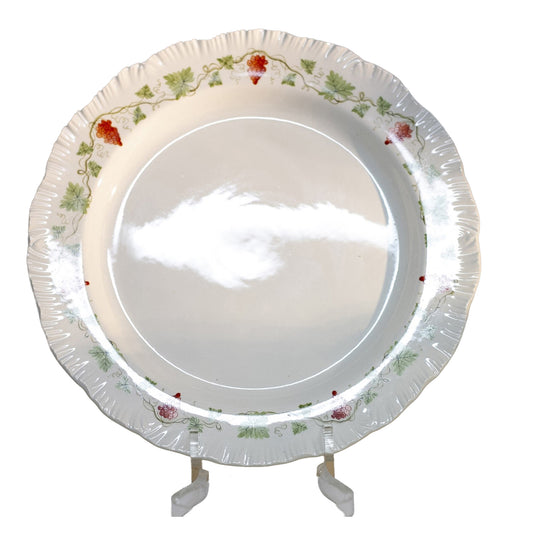
Wedgwood Bacchus Red Dinnerware – Queens Ware, England, c. 1940–1974 Sold Individually
Vendor:WedgwoodRegular price From $20.00 USDRegular price -
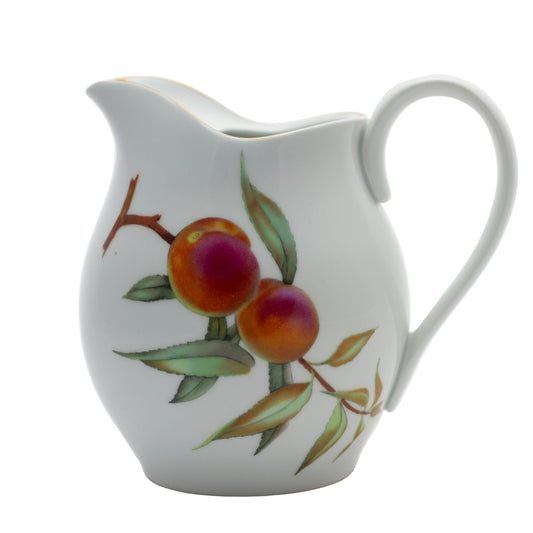
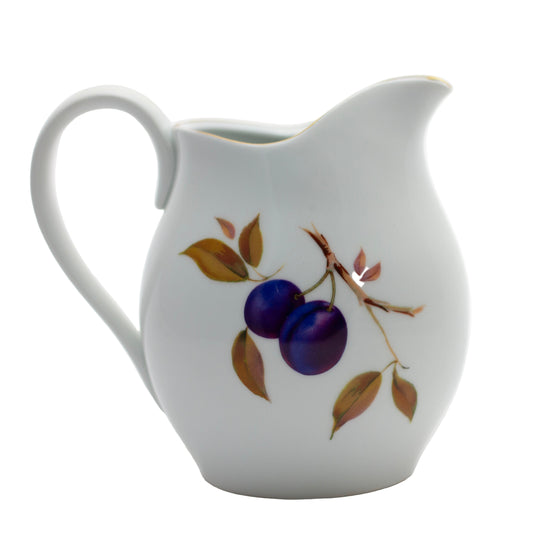
Royal Worcester Evesham Vale 56-oz Porcelain Pitcher
Vendor:Royal WorcesterRegular price $74.00 USDRegular price -
Antique Libertas Prussia Luncheon Set – Apples & Pears, Plate Cup & Saucer, Early 1900s
Vendor:Libertas PrussiaRegular price $24.00 USDRegular price -
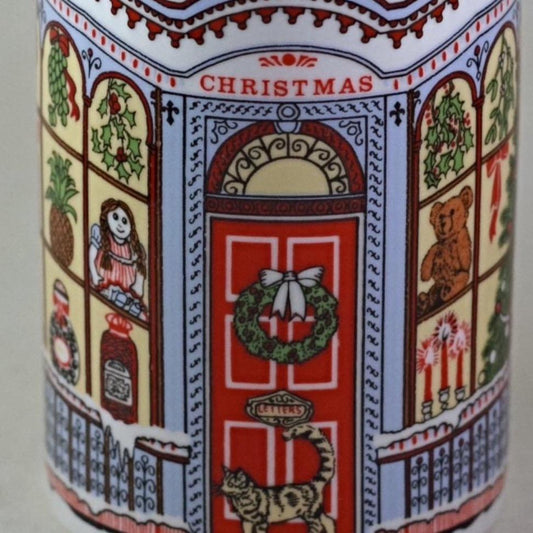
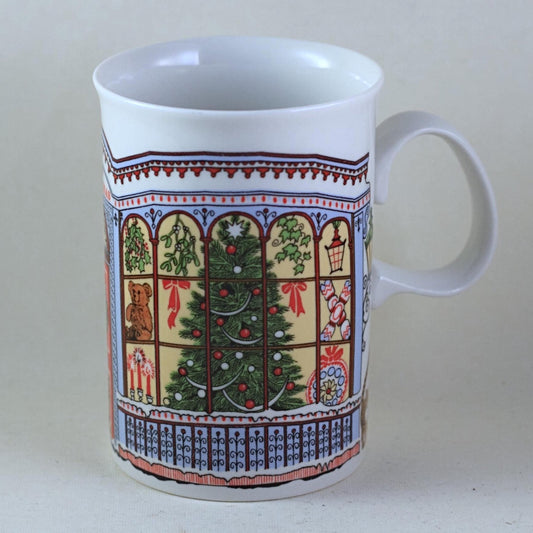
SUE SCULLARD Bone China Mug Christmas Storefront with Cats Circa 1990s
Vendor:Dunoon Made in ScotlandRegular price $14.00 USDRegular price -
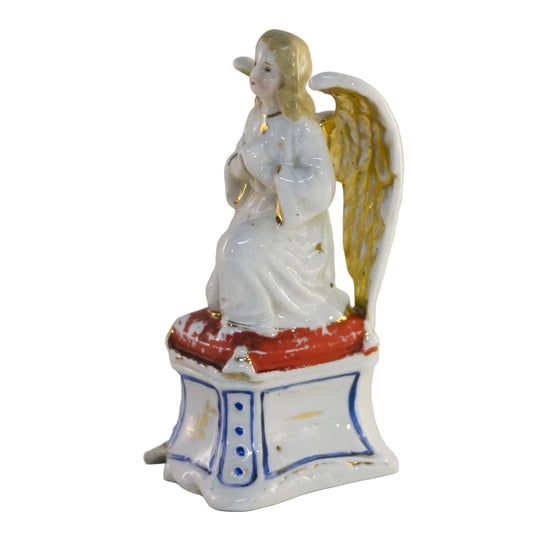
Antique Porcelain Praying Angel Figurine | Kneeling Devotional Statue with Gold Wings
Vendor:Religious & Spiritual ObjectsRegular price $20.00 USDRegular price -
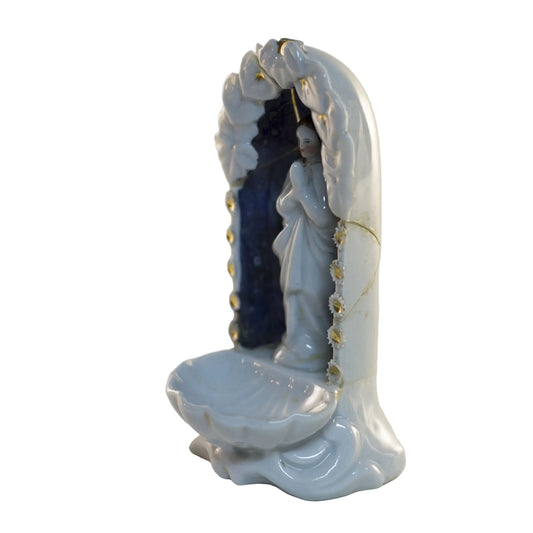
HOLY WATER FONT FREE-STANDING Depicting PRAYERFUL CHRIST *Damaged*
Vendor:Vintage PorcelainRegular price $14.00 USDRegular price -
Antique Villeroy & Boch Gaudy Stick Spatter Plate – Hand Painted Floral, c. 1874–1909, 8½″
Vendor:Villeroy & BochRegular price $65.00 USDRegular price -
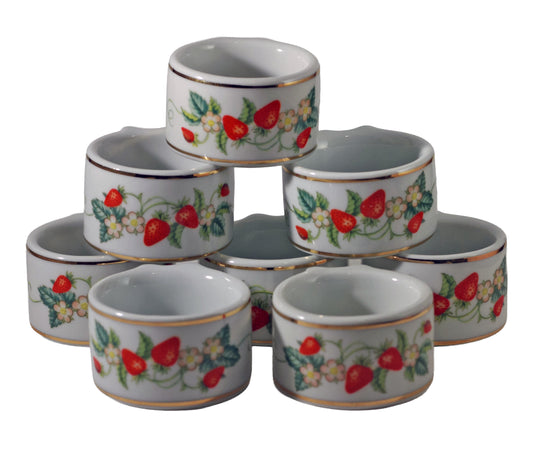
Avon Strawberry Porcelain Collection | Demitasse Set, Dessert Plates, Napkin Rings & Sugar Shaker | 1978
Vendor:Avon ProductsRegular price From $10.00 USDRegular price -
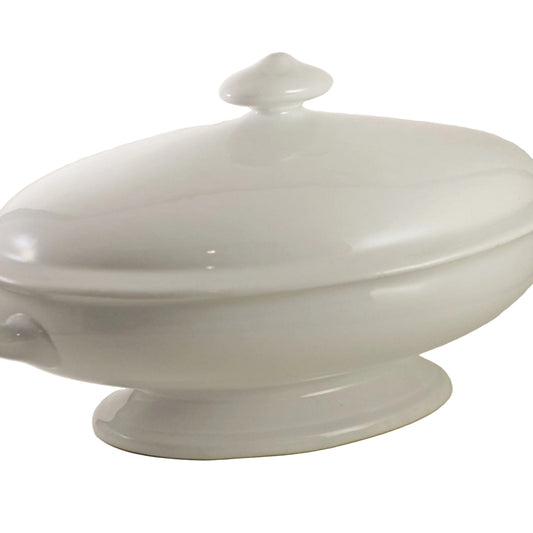
Antique H. Meakin Ironstone Covered Vegetable Bowl, Plain Uplift, Cobridge England c. 1873–1876
Vendor:Henry Meakin PotteryRegular price $195.00 USDRegular price -
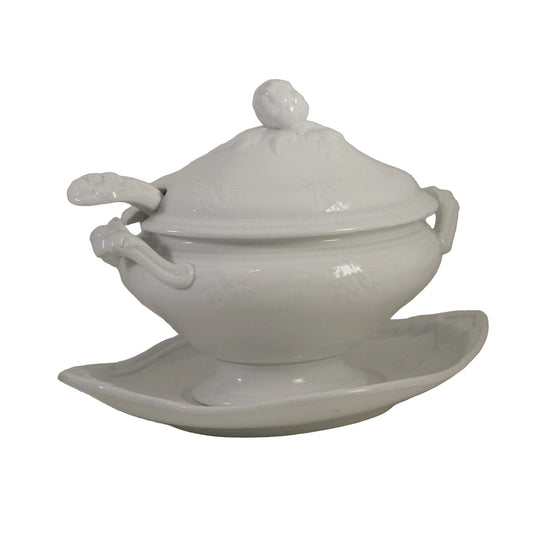
Antique John Meir & Son Ironstone Sauce Tureen Set, Washington Shape, Registered 1863
Vendor:John Meir & SonRegular price $325.00 USDRegular price -
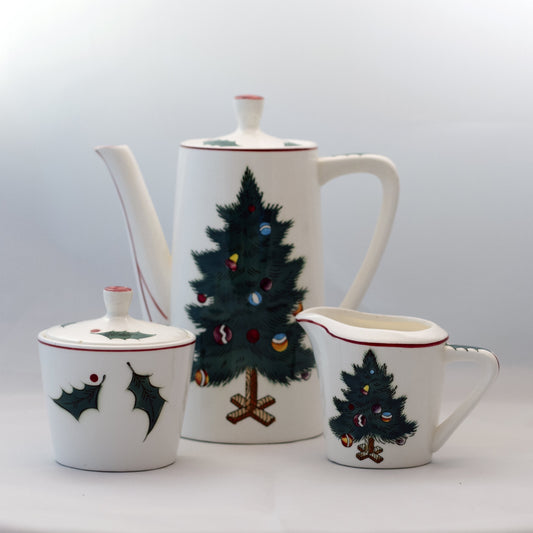
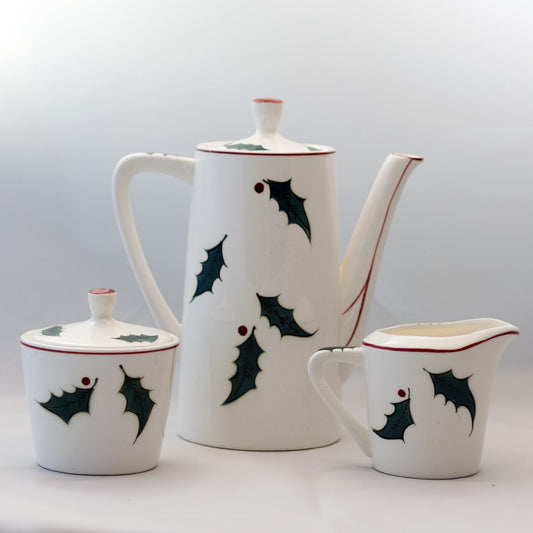
Lefton China CHRISTMAS TREE COFFEE SET Japan Circa 1950s
Vendor:Lefton ChinaRegular price $72.00 USDRegular price -
The Cellar O'Tannenbaum Christmas Tree China Cup & Saucer Set
Vendor:The CellarRegular price $9.00 USDRegular price -
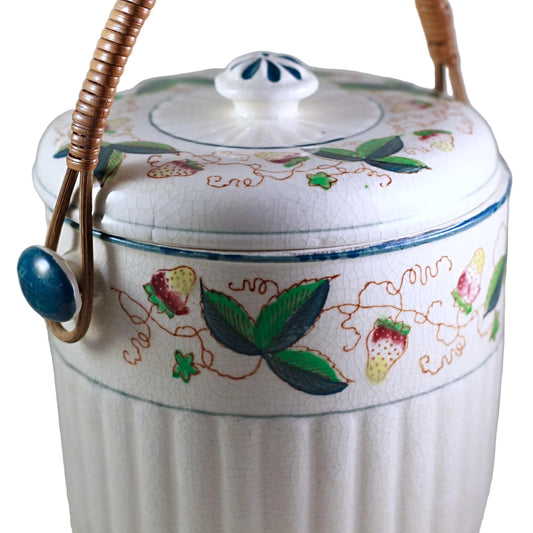
Made in Japan Strawberry Cookie Jar with Rattan Handle | Pre-1941)
Vendor:Made in JapanRegular price $45.00 USDRegular price















Understanding Porcelain and Bone China
Porcelain and bone china share a refined, luminous quality, yet they differ in composition, firing, and appearance. Traditional porcelain is made from kaolin clay, feldspar, and silica, then fired at extremely high temperatures that vitrify the clay into a dense, glass‑like body. This process produces a bright white or slightly cool‑toned surface with excellent durability and heat resistance. Bone china, by contrast, incorporates bone ash—typically 25–50%—into the clay mixture. This addition creates a warmer, ivory‑toned translucency and allows the material to be formed thinner without sacrificing strength.
These material differences shape how each type looks and performs. Porcelain tends to be opaque, crisp in color, and well suited to both decorative and everyday use due to its hardness and resistance to scratching. Bone china’s bone ash content creates a unique crystalline structure that makes it surprisingly chip‑resistant while maintaining a delicate, lightweight feel. When held to the light, bone china reveals a soft glow that porcelain does not, a hallmark of its luxury status. Together, these distinctions in clay, firing temperature, and translucency explain why porcelain and bone china each occupy their own place in ceramic history and tableware tradition.