Rare 1913 Hamilton, Ohio Flood Postcards — Real Photo Views of One of America’s Deadliest Natural Disasters
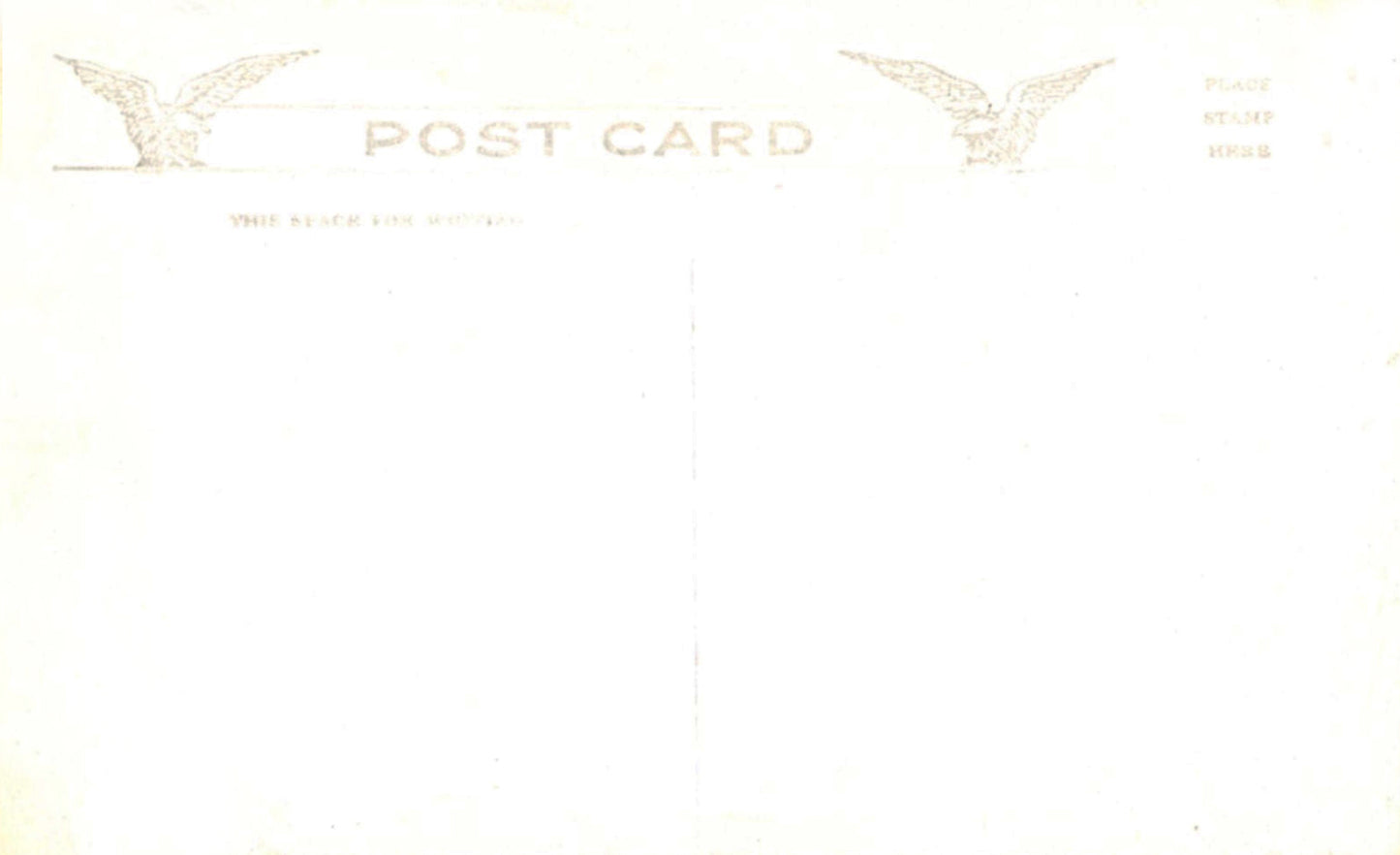
A compelling six-card real photo postcard (RPPC) series documenting the devastating 1913 flood in Hamilton, Ohio, produced by the Feicke-Desch Printing Company of Cincinnati shortly after the event. Each postcard reverse has the known Feicke-Desch double eagle header.
Each postcard captures a different vantage point of the destruction caused by the Great Miami River as it overflowed following days of relentless rainfall. Together, the cards form a visual record of a city in crisis—from collapsed bridges and flooded commercial streets to recovery efforts unfolding along the riverbanks.
Collector’s Note
Early 20th-century disaster postcards like these were more than souvenirs—they were a primary way news traveled. Published in the immediate aftermath of the Great Flood of 1913, this coordinated series documents the destruction of bridges, streets, and daily life in Hamilton, Ohio. Sets like this, with multiple related views from the same publisher, are increasingly difficult to assemble and offer collectors a rare, visual narrative of a defining American disaster.
Subtle blue-tinted skies appear across the series, a period technique used to enhance otherwise monochrome photographic prints. All cards remain unposted, preserving their original condition as documentary images rather than mailed correspondence.
Condition across the set is consistent: light edge wear, age toning, and faint printing on the reverse—typical for early real photo postcards of this period.
Each postcard is housed in a protective sleeve and sold individually within this curated variant listing. The image displayed updates to reflect your selected view.
East End
East End of Great Bridge Washed Away by Flood at Hamilton, Ohio
Shows horse-drawn wagons and workers along the riverbank amid cleanup efforts following the bridge’s destruction.
Hamilton Dayton Railway Bridge
Ruins of C.H. & D.R.R. Bridge Across Great Miami River… March 25, 1913
Documents the collapse of the railroad bridge—reportedly lost along with 22 coal-loaded railcars placed in a failed attempt to stabilize the structure.
High Street #1
High Street Looking West – Flood Hamilton, Ohio (handwritten caption)
Features floodwaters engulfing the city with the Soldiers, Sailors & Pioneers Monument visible in the distance.
High Street #2
High Street Looking West – Flood at Hamilton, Ohio
Includes commercial storefronts and the Mathes-Sohngen signage, offering a vivid view of the flooded business district.
North Second Street
North Second Street – Flood, March 25, 1913
View toward the Anderson & Shaffer Coal Company building, with rising waters overtaking the street.
West End Pier
West End Pier, Great Bridge Wrecked by Flood at Hamilton, Ohio
Panoramic river view capturing structural destruction and debris across the waterline.
Historical Note
In March 1913, a series of powerful storm systems brought unprecedented rainfall across the Midwest and eastern United States. In Hamilton, Ohio, an estimated 9 to 11 inches of rain fell within three days, overwhelming the Great Miami River and its tributaries.
By the early morning hours of March 25, floodwaters had destroyed all four of the city’s bridges. Entire neighborhoods were submerged, more than 300 buildings were destroyed, and over 200 lives were lost in Hamilton alone. Regionally, the disaster claimed an estimated 650 lives across multiple states and left hundreds of thousands homeless.
The 1913 flood remains one of the most significant natural disasters in Ohio history and led directly to the development of modern flood control systems across the Miami Valley.